Morpheus8 for international patients in Brasília: protocol, safety, and bilingual care
Three sessions, monthly intervals, bilingual care from intake to discharge. Morpheus8 in Brasília at a clinical standard calibrated for patients who research their physician before boarding the plane.
Book ConsultationHow Morpheus8 works — mechanism, depth control, and why it differs from standard RF
Morpheus8 (InMode, Israel) is a fractional bipolar radiofrequency microneedling device that delivers thermal energy to a controlled subdermal depth, bypassing the epidermal surface entirely. This architectural distinction separates it from older surface-based radiofrequency systems and explains both its efficacy profile and its safety record across a broad range of skin phototypes.
The mechanism operates in two sequential phases. During needle insertion — 24 or 40 gold-coated pins per tip, deployed to depths of 1-4 mm on the face and up to 7 mm on the body — the microneedle matrix creates fractional micro-channels through the dermis. During the energy delivery phase, bipolar RF current flows between needle pairs, generating targeted Joule heating at the tip depth. Tissue temperature at the focal point reaches 40-42°C for collagen remodeling and 45-50°C for localized adipose tissue remodeling in deeper body protocols. The epidermis, insulated by the non-conductive needle shaft above the active tip, remains thermally protected — this is the key engineering difference from ablative lasers and surface RF devices.
The biological response unfolds over 90 days. Immediately post-treatment, the controlled thermal injury triggers a wound-healing cascade: fibroblast recruitment, platelet-derived growth factor release, and early collagen III deposition within 72 hours. By weeks 4-6, fibroblasts convert collagen III to collagen I — the structural fiber responsible for dermal firmness and elastic recoil. By months 2-3, this new collagen matrix matures, producing the measurable tightening, textural refinement, and pore reduction that patients report at their final follow-up.
On the face, standard indications include periorbital laxity and crepiness, jowl descent, submental skin redundancy, acne and surgical scarring, and global skin quality decline. On the body, adipose remodeling is added to the collagen benefit: depths of 5-7 mm reach the subdermal fat layer, producing measurable adipocyte disruption alongside dermal tightening — the combination that makes Morpheus8 clinically distinct for post-weight-loss skin, abdominal laxity, and inner-thigh redundancy.
For international patients researching the procedure before traveling, the practical clinical picture is this: Morpheus8 is not a single-session treatment and not a lunch-hour procedure. A standard facial protocol is three sessions at monthly intervals. The peak result appears at 3 months after the last session, not immediately after the first. Patients who schedule one session during a short trip and expect a transformative outcome leave with an incomplete protocol.
Protocol design for international patients — session planning, intervals, and flight safety
The standard Morpheus8 protocol for facial rejuvenation is three sessions, each separated by 28-35 days. For body protocols — abdomen, thighs, or combined face and body — the same interval applies, with energy parameters and tip depth adjusted by zone. Most international patients traveling to Brasília cannot replicate this schedule from abroad. The planning framework below is designed around realistic travel constraints, not an idealized clinical calendar.
Option A: Sequential sessions on a single extended visit (10-14 days)
A minority of international patients — those on diplomatic assignment in Brasília, traveling for an extended stay, or combining treatment with other itinerary items — can complete all three sessions within one trip. This requires scheduling sessions at days 0, 30, and 60 of a longer stay. The first session serves as the tolerance test: energy settings, depth parameters, and tip selection are calibrated to the individual patient's skin thickness, phototype, and treatment tolerance. Sessions 2 and 3 build on the established protocol.
Option B: First session on visit one, sessions 2 and 3 on a return visit
The most common framework for patients based outside Brazil. Session 1 is completed on the first visit; sessions 2 and 3 are completed on a second trip 4-8 weeks later. The interval flexibility is relevant: clinical evidence supports sessions separated by 4 weeks as the minimum and 8 weeks as an acceptable extension without significant loss of cumulative outcome. Beyond 10 weeks, the collagen cascade from session 1 has largely concluded and session 2 functions as a partial reset rather than a continuation.
Combination with Hybrid Face Lift and Lipocube Body
For patients seeking comprehensive facial rejuvenation, Morpheus8 is frequently sequenced with the Hybrid Face Lift protocol — which combines ultrasound SMAS lifting (Ultraformer MPT), biostimulator injection, and hyaluronic acid structural support in a single planning arc. In this combination, Morpheus8 addresses dermal texture and periorbital crepiness while the ultrasound and biostimulator components address volumetric scaffold and ligament laxity — two distinct aging mechanisms that respond to different tools. The protocols are not redundant; they are complementary by design.
For body contouring — particularly post-weight-loss skin laxity, abdominal redundancy, or inner-thigh looseness — Morpheus8 can be combined with Lipocube Body Contouring — autologous fat grafting, in which a small amount of the patient's own fat is harvested under local anaesthesia, processed and reinjected where the contour needs volume or the skin needs better quality — while Morpheus8 carries the dermal remodeling arc.
Flight safety and recovery timeline
This is the practical question every international patient asks, and it deserves a direct answer. Recovery from a single Morpheus8 facial session follows this timeline:
- Hours 0-6: Redness, warmth, and micro-punctate marks at needle entry points. Swelling may be moderate, particularly in the periorbital and malar zones.
- Hours 6-48: Erythema peaks and then progressively resolves. Fine crusting at needle entry points. Makeup is contraindicated during this window.
- Days 2-5: Erythema transitions to a faint residual pink. Micro-crusting resolves with gentle cleansing. Most patients are socially presentable with minimal makeup from day 3-4 onward.
- Days 5-7: Surface healing is complete. Skin may feel slightly firmer. Residual pinkness in fair-skinned patients is typically addressable with tinted sunscreen.
- Flight safety guidance: Patients may fly from day 5 onward provided cabin humidity is managed (apply non-active hydrating mist every 60 minutes in flight) and direct sun exposure is avoided at the destination for 14 days. Flying at day 2 or 3 is not recommended. A minimum of 5 days post-session before a long-haul flight is the clinical recommendation applied here.
Pricing reference for international patients (2026): Morpheus8 facial single session ranges from R$ 6,000 to R$ 9,000; face and neck combined ranges from R$ 9,500 to R$ 15,000; a 3-session facial package ranges from R$ 19,000 to R$ 45,000 depending on zones treated and protocol design. Body protocols (abdomen, thighs, or glutes) range from R$ 6,000 to R$ 12,000 per session. Pricing in Brazilian Reais is quoted at the assessment; patients paying in foreign currency should confirm the exchange rate at the time of scheduling.
Safety in thin faces, patient selection, and what to discuss at your first consultation
The question of Morpheus8 safety in thin faces is clinically valid and frequently raised by international patients who have read forum discussions about paradoxical fat loss. The concern is legitimate: in very thin patients with minimal subdermal fat — typically those with a BMI below 19, post-bariatric patients with severe facial lipoatrophy, or patients with prior aggressive fat-reduction treatments — RF energy deposited at depths exceeding 3 mm may reach adipocytes in facial fat compartments and produce unintended volume reduction in zones where volume is already deficient.
The clinical response to this is parameter management, not procedure avoidance. In thin-face patients, needle depth is reduced to 1.5-2 mm on the face, tip selection shifts to the 24-pin standard matrix rather than the deeper 40-pin prime tip, and energy density is adjusted downward. The thermal effect is shifted toward pure dermal collagen remodeling rather than subdermal adipose disruption. This is precisely the calibration available on the Morpheus8 platform — and it requires a physician who performs the assessment and adjusts parameters before activating the device, rather than delegating parameter selection to an aesthetic nurse following a generic protocol.
Patients who are not appropriate candidates for Morpheus8 — regardless of origin — include those with active skin infection in the target zone, those on isotretinoin within the prior 6 months, patients with a personal or family history of keloid scarring (which presents a risk of hypertrophic scar formation at needle entry points), and patients with pacemakers or implantable electronic devices. These contraindications are reviewed at the clinical assessment, not after the procedure.
What the bilingual care pathway includes
For international patients, care continuity does not end at the clinic door. The discharge protocol includes: a written post-procedure guide in English with product recommendations, timeline, and warning signs that require contact; a direct WhatsApp line with English-speaking clinical staff available for 72-hour post-session questions; video follow-up at 14 days; and a full photographic record with clinical notes in English for any patient who needs to share documentation with their physician at home.
The clinic — INTI, Deck Brasil, Lago Sul — is located within the diplomatic and residential corridor of Brasília. Access by car or rideshare from the Embassy Row and the Lake South residential areas takes under 15 minutes. Consultation scheduling in English is available by email at drthiagoperfeito@gmail.com or by WhatsApp at +55 61 99667-0808.
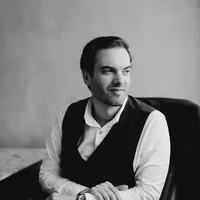
Dr. Thiago Perfeito
CRM-DF 23199 · Aesthetic and Regenerative Medicine
Physician with more than 10 years of practice in aesthetic and regenerative medicine. Master's degree in Aesthetic Medicine (2024). International training at Harvard Medical School and Mayo Clinic. Member of ASLMS, A4M, AMS, and NYAS. Practicing in Brasília, Lago Sul.
Learn about Dr. Thiago →Frequently asked questions about Morpheus8 radiofrequency microneedling
-
How does Morpheus8 actually work?
Morpheus8 uses a matrix of fine gold-tipped needles to insert bipolar radiofrequency energy directly into the dermis and, at greater depths, into the subdermal layer — bypassing the skin surface entirely. At facial depths of 1-4 mm, the RF current heats the tissue to 40-45°C, triggering a controlled wound-healing response: fibroblasts are recruited, collagen III is deposited within 72 hours, and over 60-90 days this converts to mature collagen I. The result is progressive tightening, textural improvement, and pore refinement that builds over three months post-treatment. At body depths of 5-7 mm, adipocyte disruption is added to the collagen benefit, which is why the device is used for abdominal skin laxity and post-weight-loss redundancy in addition to facial rejuvenation.
-
Is Morpheus8 safe for thin faces?
Yes, with parameter adjustment. The concern about paradoxical fat loss in thin-faced patients is clinically valid: at depths above 3 mm, RF energy can reach facial fat compartments and produce unintended volume reduction in patients who are already lipoatrophic. The clinical response is to reduce needle depth to 1.5-2 mm on the face and lower energy density, shifting the thermal effect toward pure dermal collagen remodeling rather than subdermal disruption. This calibration is available on the Morpheus8 platform but requires the physician to assess the patient individually before setting parameters. A thin face is not a contraindication — it is a parameter-adjustment indication.
-
How many sessions do international patients typically need?
The evidence-based protocol is three sessions, each separated by 28-35 days, with the peak result appearing at 3 months after the final session. International patients who cannot complete all three sessions in one visit typically follow Option B: one session on the first trip to Brasília, then sessions 2 and 3 on a return visit 4-8 weeks later. Sessions separated by up to 8 weeks produce outcomes comparable to monthly intervals; beyond 10 weeks, the cumulative benefit begins to diminish. A single session during a short trip is clinically incomplete and is not the framework recommended here. The full protocol is discussed at the intake consultation before any commitment is made.
-
Can I fly home after a Morpheus8 session?
From day 5 onward, yes, with precautions. The recovery arc after a facial session runs as follows: redness and micro-punctate marks are visible and sometimes moderate in the first 48 hours; by days 2-4 erythema fades and most patients are socially presentable with minimal coverage; by day 5 surface healing is complete. Flying before day 5 is not recommended: low cabin humidity accelerates transepidermal water loss through the healing channels, UV exposure at altitude adds oxidative stress to sensitized skin, and the inability to maintain the post-procedure skincare routine in a confined environment increases the risk of prolonged erythema.
-
What is the recovery timeline and what should I plan around it?
Hours 0-6: significant redness and warmth, moderate periorbital and malar swelling, patient remains indoors. Hours 6-48: erythema peaks then begins to resolve; fine surface crusting at needle entry points; no makeup, no professional commitments. Days 2-4: redness transitions to faint residual pink; gentle cleansing resolves crusting; most patients are presentable from day 3-4 with minimal tinted coverage. Days 5-7: surface healing complete; skin may feel firmer; flight-safe. Day 14: formal post-procedure teleconsultation in English. For body protocols recovery is similar in timeline but the treated area may have more pronounced swelling and sensitivity in the first 48 hours due to the larger surface area. Strenuous exercise and saunas are deferred for 7 days post-session regardless of the zone treated.
Schedule your Morpheus8 consultation in English
Dr. Thiago Perfeito, CRM-DF 23199 — INTI Clinic, Deck Brasil, Lago Sul, Brasília. Bilingual intake, written protocol in English, post-procedure support by WhatsApp.