Regenerative aesthetic medicine for international patients in Brazil: what's actually available
For international patients arriving in Brasília with high clinical expectations: a guide to what regenerative aesthetic medicine actually means, what modalities are available in Brazil, and how protocols are designed from tissue biology rather than product menus.
Book ConsultationWhat regenerative aesthetic medicine actually means — and what it does not
Regenerative aesthetic medicine is a clinical framework that targets the biological mechanisms of ageing — fibroblast senescence, fat compartment atrophy, collagen network fragmentation, and bony resorption — rather than correcting their visible consequences through volume substitution alone. The distinction is not rhetorical. The dominant aesthetic practice model across Latin America, and in much of Europe and North America, involves strategic placement of hyaluronic acid to restore perceived volume and rebalance facial proportions. Executed with skill, this produces pleasing results. Its fundamental limitation is biological: it addresses appearance without addressing aetiology.
Regenerative protocols are designed differently. Biostimulators — poly-L-lactic acid (PLLA), calcium hydroxylapatite (CaHA), and their hybrid formulations — do not fill anatomical spaces. They create a scaffold that activates resident fibroblasts to synthesise new collagen type I and III, elastin, and hyaluronic acid. The clinical literature supporting this mechanism is well-established: studies published in Aesthetic Surgery Journal and the Journal of Drugs in Dermatology have documented histological evidence of neocollagenesis following biostimulator application, with structural effects persisting beyond twelve months.
Polynucleotides (PDRN), derived from salmon DNA, act on tissue repair through adenosine A2A receptor activation, triggering anti-inflammatory cascades and supporting angiogenesis and fibroblast proliferation. Exosomes derived from mesenchymal stem cells deliver intracellular signalling cargo — microRNA, mRNA, and growth factors — that modulate gene expression in recipient fibroblasts and keratinocytes. Autologous fat grafting restores structural volume with the patient's own tissue, which carries viable stromal-vascular fraction cells with local regenerative activity independent of the adipocyte fraction.
None of these are substitutes for one another. They act on different biological layers, different timescales, and different tissue deficits. Designing an appropriate regenerative protocol requires a clinical assessment of which deficits are present — not a preference list for which products to use.
Dr. Thiago Perfeito (CRM-DF 23199), practising at INTI clinic in Lago Sul, Brasília, holds membership in the American Society for Laser Medicine and Surgery (ASLMS), the American Academy of Anti-Aging Medicine (A4M), the Anti-Aging Medicine Symposium (AMS), and the New York Academy of Sciences (NYAS) — organisations whose clinical curricula are directly organised around regenerative and longevity medicine. Consultations are conducted in English and Portuguese.
Modalities available — what each one does and how Brazil is positioned
Brazil has one of the most developed aesthetic medicine markets in the world. The country's regulatory framework (ANVISA) has approved several regenerative modalities ahead of many European markets, and the clinical community maintains active engagement with the international evidence base through societies affiliated with ISAPS and ASLMS. The following modalities are available at INTI clinic and represent the current standard of regenerative aesthetic practice.
- PDRN — polynucleotides (salmon-derived): Highly purified DNA fragments derived from salmon sperm cells activate adenosine A2A receptors in dermal tissue, initiating repair signalling that reduces local inflammation, stimulates fibroblast proliferation, and promotes neovascularisation. Clinically, patients experience improvement in skin texture, hydration, and fine-line density. The mechanism differs from biostimulators and from PRP. Sessions are spaced three to four weeks apart; a standard protocol comprises three sessions. In Brasília, a single PDRN session is priced between R$ 1,900 and R$ 2,900; a three-session protocol between R$ 4,500 and R$ 7,500.
- Biostimulators — PLLA, CaHA, and hybrids (Sculptra, Radiesse, HarmonyCa, Ellansé): Each biostimulator works through a distinct mechanism. PLLA stimulates neocollagenesis without providing immediate volume — the result builds gradually over three to six months and persists for two or more years. CaHA provides immediate structural support from the gel carrier while simultaneously triggering a collagen response; its hybrid formulation (HarmonyCa) adds hyaluronic acid to the matrix. Ellansé (polycaprolactone) offers simultaneous volumisation and collagen stimulation with longer-duration effects. These are not interchangeable — selection depends on whether the clinical goal is structural volumisation, diffuse neocollagenesis, or both. In Brasília, biostimulator sessions range from R$ 2,900 to R$ 3,900.
- Autologous fat grafting: The patient's own fat — harvested from the abdomen, inner thigh, or flanks — is processed and reinjected to restore structural volume in compartments depleted by ageing or weight loss. The stromal-vascular fraction within the graft contains preadipocytes, endothelial progenitors, and mesenchymal stem cells that contribute regenerative signalling beyond simple volumisation. In Brazil, fat grafting to the face is generally priced between R$ 18,000 and R$ 28,000 for a full protocol including surgical facility and anaesthesia.
- Exosomes — Exocube protocol: Extracellular vesicles derived from mesenchymal stem cells carry a payload of microRNA, mRNA, and regulatory proteins that enter recipient cells and modulate gene expression. In the dermis, this results in upregulation of collagen synthesis and reduction of inflammatory burden. On the scalp, exosomes activate the Wnt/β-catenin pathway governing follicular cycling, extending anagen and suppressing miniaturisation. The Exocube protocol combines fractional energy-based skin preparation with immediate exosome infusion through the created microchannels.
- Injectable peptides — what expatriate patients should know before asking: Sequences such as BPC-157, TB-500, CJC-1295, ipamorelin, GHK-Cu and MOTS-c circulate widely in longevity clinics abroad, and patients relocating to Brazil often arrive expecting to continue a protocol started elsewhere. They cannot be continued here. ANVISA's 2026 fact-check states that these substances hold no Brazilian registration in any category — medicine, cosmetic, supplement or food — and are therefore unlawful for any health use, aesthetic included. This is not an off-label question: off-label describes a registered medicine used outside its approved label, whereas an unregistered substance has no label to depart from, and a prescription does not create a registration. Compounding pharmacies cannot bridge the gap either, since compounding presupposes a raw material that has already cleared efficacy and safety review. Dr. Perfeito does not prescribe, source or administer them. The underlying science — particularly the angiogenesis and mitochondrial work — is legitimate and worth following, but it is overwhelmingly preclinical, and no human dosing regimen has been validated. Regenerative options that are registered in Brazil are listed above and below.
- Energy-based devices — Morpheus8, Fotona, Ultraformer MPT: Radiofrequency microneedling (Morpheus8) and high-intensity focused ultrasound (Ultraformer MPT) act on the SMAS and reticular dermis to trigger controlled thermal injury and subsequent collagen remodelling. Fotona's Er:YAG and Nd:YAG platforms treat multiple tissue layers in a single session. These devices are adjuncts to injectable regenerative protocols — not replacements for them.
How to begin — the clinical pathway for international patients in Brasília
For an international patient arriving at a regenerative aesthetic consultation in Brasília, the process that distinguishes a genuinely clinical approach from a product-selling one is simple to identify: the consultation precedes any treatment by at least one appointment, and the protocol is designed from an assessment, not from a product menu. A physician who offers same-session injection of biostimulators, fat grafting, or polynucleotides without prior structured tissue analysis — including a mapped assessment of compartmental volume loss, dermal quality, and bone resorption patterns — is not practising regenerative medicine in the clinical sense.
At INTI clinic, the initial consultation for international patients follows a structured sequence. The clinical assessment maps volume compartments, skin quality parameters (thickness, hydration, elasticity), and any prior aesthetic history including previous injectables, energy treatments, and surgical procedures. Prior permanent fillers — PMMA, polyacrylamide gel, or liquid silicone — represent an absolute contraindication to injectable procedures in affected areas and must be disclosed accurately. The consultation is conducted in English and takes approximately 45 to 60 minutes.
Protocol design follows the assessment. A regenerative programme may span three to six months, with sessions scheduled around the patient's presence in Brasília. For diplomats and international professionals whose schedules allow for visits at intervals, the protocol is designed with this in mind: key sessions are prioritised for periods of physical presence, with maintenance and monitoring appointments scheduled to fit travel patterns.
Timeline expectations are important to set accurately. Regenerative results are not immediate in the sense that hyaluronic acid filler is immediate. Patients accustomed to the visible projection of filler immediately post-session often find the gradual nature of biostimulator or PDRN protocols unfamiliar at first. The clinical endpoint — structural improvement that colleagues cannot attribute to any specific intervention — emerges over three to six months.
The INTI clinic is located in Lago Sul (QI 11, Bloco O, Sala 115, Deck Brasil) — within the diplomatic residential belt of Brasília. Appointments for new patients can be requested via WhatsApp at +55 61 99667-0808, in English or Portuguese.
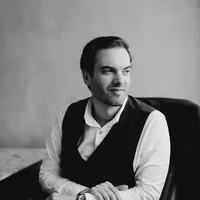
Dr. Thiago Perfeito
CRM-DF 23199 · Aesthetic and Regenerative Medicine
Physician with more than 10 years of practice in aesthetic and regenerative medicine. Master's degree in Aesthetic Medicine (2024). International training at Harvard Medical School and Mayo Clinic. Member of ASLMS, A4M, AMS, and NYAS. Practicing in Brasília, Lago Sul.
Learn about Dr. Thiago →Frequently asked questions about Regenerative aesthetic medicine
-
What does regenerative medicine actually mean in aesthetics?
Regenerative aesthetic medicine refers to a clinical approach that targets the biological causes of ageing — collagen network fragmentation, fat compartment atrophy, dermal thinning, and bony resorption — rather than correcting their visible appearance through volume substitution alone. Modalities include biostimulators that activate fibroblast collagen synthesis, polynucleotides that trigger tissue repair signalling, exosomes that modulate gene expression in dermal cells, and autologous fat grafting that restores structural volume with biologically active tissue. The goal is improvement that reads as structural and natural rather than procedural.
-
What is PDRN and where does it come from?
PDRN stands for polydeoxyribonucleotide — highly purified DNA fragments extracted from salmon sperm cells. The salmon source is not incidental: salmon DNA shares significant structural similarity with human DNA, and the purification process produces fragments of a consistent molecular weight range that interact specifically with adenosine A2A receptors in human dermal tissue. Activation of these receptors initiates an anti-inflammatory cascade, promotes fibroblast proliferation, and supports local angiogenesis. The clinical result is improvement in skin hydration, texture, and fine-line density over a series of three to four sessions. PDRN is not a filler, not a biostimulator in the collagen-scaffold sense, and not PRP — it acts through a distinct receptor-mediated pathway.
-
Are biostimulators considered regenerative?
Yes, biostimulators are classified within the regenerative medicine framework because their primary mechanism of action is biological activation rather than volume substitution. Poly-L-lactic acid (PLLA, found in Sculptra and Elleva) stimulates fibroblasts to produce new collagen type I and III over three to six months; it does not fill space directly. Calcium hydroxylapatite (CaHA, found in Radiesse and HarmonyCa) provides a temporary structural scaffold while simultaneously triggering collagen neogenesis. Polycaprolactone (Ellansé) combines volumisation with a longer-duration collagen stimulus. Histological biopsies in peer-reviewed studies have confirmed measurable increases in collagen density following these treatments. In a complete regenerative protocol, biostimulators are often combined with PDRN, exosomes, or energy-based devices to address multiple tissue layers simultaneously.
-
Is PRP the same as exosomes?
No. Platelet-rich plasma (PRP) is prepared from the patient's own blood by centrifugation to concentrate platelets, which release growth factors — primarily PDGF, TGF-β, VEGF, and EGF — upon activation. These growth factors stimulate tissue repair through paracrine signalling in adjacent cells. Exosomes are extracellular vesicles secreted by mesenchymal stem cells; they are 30 to 200 nanometres in diameter and carry microRNA, mRNA transcripts, and regulatory proteins that enter recipient cells and modulate gene expression directly. The key difference: PRP works through growth factor release in the extracellular space, whereas exosomes operate through intracellular signalling. Both are used in regenerative aesthetic protocols, but they are not equivalent or interchangeable.
-
Is Brazil a global leader in regenerative aesthetic protocols?
Brazil has one of the most technically advanced aesthetic medicine markets in the world, and its engagement with regenerative modalities is genuine and growing. ANVISA has approved several biostimulators and regenerative injectables ahead of many European regulatory agencies, giving Brazilian practitioners early clinical access. The country's physician community actively participates in ISAPS, ASLMS, and A4M — organisations that convene the international evidence base for regenerative practice. Brazil was among the early adopters of PDRN protocols, biostimulator combination therapy, and fat grafting with stromal-vascular fraction processing. What the Brazilian market also contains is a very large population of practitioners who use regenerative terminology in marketing without the clinical training or protocol structure to support it. The modalities are available; the clinical rigour required to deploy them appropriately depends entirely on the individual physician's training, society affiliations, and diagnostic methodology.
Request a consultation in English or Portuguese
Regenerative protocols are designed from a clinical assessment, not from a product catalogue. Schedule with Dr. Thiago Perfeito (CRM-DF 23199) at INTI clinic, Lago Sul, Brasília. WhatsApp: +55 61 99667-0808.