How a bilingual aesthetic consultation works at Dr. Thiago Perfeito
A 45-to-60-minute clinical interview in English — structured anatomical assessment, written treatment plan, and documentation ready for any practitioner abroad. No obligation to proceed at the first visit.
Book ConsultationThe consultation as a clinical interview, not a sales appointment
The first bilingual consultation at Dr. Thiago Perfeito's clinic lasts approximately 45 to 60 minutes and is conducted entirely in English by the physician. This distinction matters: clinical English is not the same as reception-level fluency. The conversation covers anatomical structures, mechanism of action of proposed treatments, product pharmacology, realistic expectations, and contraindications — in full, without simplification and without requiring the patient to navigate a language they may not speak.
The appointment begins with an open invitation: describe your concerns in your own words, in your own order. How a patient frames their aesthetic concern is itself clinically informative — it reveals which aspects of the face or body they are most aware of, how long the issue has been present, and whether their expectations are anatomically realistic. No intake form replaces this conversation.
What follows is a structured physical assessment. Dr. Thiago evaluates the areas raised by the patient alongside adjacent anatomical zones that are relevant to the result — because the face operates as an integrated system, not as isolated units. Volumetric loss in the mid-face affects the appearance of the lower eyelid; jawline contour affects how the neck reads; skin texture across the forehead changes how deep lines are perceived. An assessment that stops at the stated complaint produces a narrow plan.
The assessment covers skin quality, subcutaneous volume distribution, muscle tone and activity patterns, bone support, and ligamentous changes relevant to the patient's age and presentation. For patients in the 45-to-60 age range — the demographic where regenerative and structural interventions produce the most meaningful results — this structural reading is the foundation of every recommendation made.
At the end of the assessment, Dr. Thiago presents his findings verbally, then in writing. The written component — the treatment plan — describes what is anatomically occurring, what options exist, which approach is recommended and why, the realistic range of expected outcomes, the number of sessions required, and the timing of each. You leave the consultation with that document in English. No treatment is performed at the first visit unless explicitly requested by the patient and clinically straightforward. The plan is yours to review, share with a practitioner at home, or simply consider before deciding.
This structure — interview first, assessment second, written plan third, treatment only when agreed — reflects a clinical standard rather than a commercial one. The goal of the first consultation is informed consent, not conversion.
Documentation, communication, and the virtual pre-travel consultation
Every appointment produces a written record in English. The treatment plan specifies what was discussed and recommended; the post-procedure summary specifies what was performed. Both documents are produced in a format legible to a receiving practitioner abroad — not structured for a Brazilian medical file but for international continuity of care.
Product documentation follows international standards: trade name, generic name, manufacturer, concentration or unit count, volume applied in millilitres, anatomical placement described in clinical English, and — for energy-based devices — handpiece type, treatment parameters, and depth settings. A practitioner in Geneva, London, or Washington who reads this record can continue the protocol without contacting the originating clinic for clarification.
Medical history is collected using an international clinical framework. Medications are recorded by generic name (not only Brazilian trade names). Relevant diagnoses use ICD-10 codes. Allergy history specifies substance and reaction type. This matters for patients who move between healthcare systems: a record that uses only local trade names or local diagnostic language becomes opaque once the patient crosses a border.
For patients who are not yet in Brasília — visiting diplomats, executives on assignment, or patients traveling specifically for treatment — a virtual pre-travel consultation via video call is available. This session covers the patient's history, photographs of the areas of concern, an initial discussion of treatment options, and logistical planning for the in-person visit. It does not replace the clinical assessment, which requires physical examination, but it allows both the patient and the physician to arrive at the in-person appointment with a working hypothesis already established — making the visit more efficient and the decision process more deliberate.
Post-appointment communication is available in English via WhatsApp. Clinical questions about healing, swelling, unexpected responses, or timing of next steps are answered by the clinical team in English, within a defined response window. For patients who have returned to their home country between sessions, this channel remains available throughout the duration of the treatment protocol.
Patients who are continuing an existing protocol — Sculptra sessions begun in Paris, a Morpheus8 series started in New York — will find that the products and devices are identical. Allergan (Botox, Juvederm), Galderma (Sculptra, Restylane, Dysport), Merz (Radiesse, HarmonyCa, Xeomin), and InMode (Morpheus8) operate in Brazil under ANVISA regulation with the same manufacturing quality standards as supply to the EU or US. Continuity of an existing protocol is straightforward when prior treatment records are available.
Brazil's data protection legislation — the LGPD (Lei Geral de Proteção de Dados) — is broadly equivalent to GDPR in its protections: data subject access rights, lawful basis requirements, breach notification, and data minimisation. For international and diplomatic patients, social media use of clinical images is not requested as a default; it requires a specific affirmative opt-in, applied without exception.
What to bring, how to book, and what happens after the first visit
Documents to bring to the first appointment:
- Valid government-issued photo ID (passport preferred for international patients)
- Any prior aesthetic treatment records available — product names, volumes, anatomical areas, dates
- A list of current medications by generic name, including supplements and anticoagulants
- Relevant medical history: autoimmune conditions, prior surgical procedures in the areas of interest, known allergies
- If continuing an existing protocol: records from the prior provider, including product batch if available
None of these are mandatory to begin the consultation, but the more complete the clinical picture, the more precise the treatment plan. The pre-consultation health questionnaire — sent digitally in English prior to the appointment — captures most of this information in advance.
Booking is available via WhatsApp at +55 61 99667-0808, in English. For patients coordinating around embassy schedules, corporate commitments, or travel itineraries, early morning and late afternoon slots are available and can be confirmed with short notice in most cases. The clinic is located at INTI, Deck Brasil, Bloco O, Sala 115, Lago Sul — Brasília's diplomatic residential district, adjacent to the embassy quarter.
After the first consultation: if you decide to proceed, the next appointment is scheduled before you leave. If you need time to review the treatment plan or discuss with a practitioner at home, there is no obligation to commit on the day. The written plan is yours regardless. If you are traveling and the timeline is tight, the physician can advise on which treatments are compatible with a short stay — some protocols (neuromodulators, single-session HA fillers) are complete in one visit; others (biostimulators, Morpheus8 series) require spacing over weeks or months and may be better suited to patients with longer stays or returning schedules.
For patients who proceed, post-procedure instructions are provided in writing in English at the appointment and sent again via WhatsApp within 24 hours. Instructions specify what to avoid and for how long, what responses are expected and at what timeline, and at what point to contact the clinic if something is unexpected.
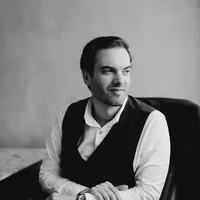
Dr. Thiago Perfeito
CRM-DF 23199 · Aesthetic and Regenerative Medicine
Physician with more than 10 years of practice in aesthetic and regenerative medicine. Master's degree in Aesthetic Medicine (2024). International training at Harvard Medical School and Mayo Clinic. Member of ASLMS, A4M, AMS, and NYAS. Practicing in Brasília, Lago Sul.
Learn about Dr. Thiago →Frequently asked questions about Bilingual aesthetic consultation
-
What languages are spoken during consultation?
The consultation is conducted in clinical English by Dr. Thiago Perfeito — not interpreted, not simplified. Clinical history, anatomical assessment, treatment options, mechanism of action, expected outcomes, and contraindications are all discussed in English at a professional register. Written documentation — treatment plan, consent forms, post-procedure summary — is produced in English. Post-appointment WhatsApp communication is also in English. Portuguese is not required at any point in the clinical process.
-
How is medical history collected for international patients?
A pre-consultation health questionnaire is sent digitally in English before the appointment. Medications are recorded by generic name — not Brazilian trade names — so records are legible internationally. Relevant diagnoses use ICD-10 codes. Allergy history specifies substance and reaction type. This format allows a practitioner in your home country to read the record without requiring translation or clarification from you.
-
Can I book a virtual consultation before traveling?
Yes. A video consultation in English is available before the in-person visit. This session covers medical history, photographs of the areas of concern, an initial discussion of treatment options, and logistical planning. It does not replace the physical assessment, which requires in-person examination, but it establishes a working clinical hypothesis before you arrive — making the in-person appointment more focused and the decision process more deliberate. It also allows you to confirm whether the proposed protocol fits within your travel timeline.
-
What documents should I bring?
A valid photo ID (passport preferred), a list of current medications by generic name including supplements and anticoagulants, and any prior aesthetic treatment records available — product names, volumes, anatomical areas, and dates. If you are continuing an existing protocol started abroad, records from the prior provider are particularly useful. None of these are mandatory, but the more complete the clinical picture, the more precise the treatment plan produced at the first visit.
-
How are aftercare instructions provided?
Written post-procedure instructions in English are provided at the appointment and resent via WhatsApp within 24 hours. Instructions specify what to avoid and for how long, what responses are expected and at what timeline, and at what point to contact the clinic. For patients returning abroad between sessions, a structured maintenance plan is provided in writing with timing guidelines and product-class recommendations legible to a practitioner in the destination country.
Book your bilingual consultation in Brasília
English clinical consultation, written treatment plan, virtual pre-travel visit available. Dr. Thiago Perfeito, CRM-DF 23199 — INTI, Lago Sul.